

© Hak Cipta PETRONAS Dagangan Berhad 198201008499 (88222-D).
Hak Cipta Terpelihara.
-
Komitmen Kelestarian Kami
Lihat peta hala tuju kami di dalam tindakan dan terokai lebih lanjut
dalam Laporan Terpadu 2024.Impian Kami, Diukur
Jejaki prestasi kami merentas penunjuk dan matlamat kelestarian utama.

RM 12.5 bilion dilaburkan dalam inisiatif tenaga bersih dan boleh diperbaharui

Peningkatan 20% dalam kecekapan operasi melalui transformasi digital

Pengembangan ke lebih 30 pasaran global bagi menyokong peralihan tenaga
- Ekonomi
- Alam Sekitar
- Sosial
- Tadbir Urus
Prestasi Kewangan
Kami berhasrat untuk memberikan pulangan ekonomi terbaik dalam bentuk dividen kepada para pemegang saham. Selain itu, kami juga bercita-cita untuk merangsang pertumbuhan ekonomi negara melalui cukai kepada Kerajaan, memastikan kandungan tempatan dalam perolehan, dan menyediakan peluang pekerjaan kepada penduduk tempatan. Kami percaya impak ekonomi positif dicapai melalui pertumbuhan bersama dengan melibatkan komuniti dan pihak berkepentingan.
Peluang Ekonomi Tempatan
-
Melibatkan pembekal dan vendor tempatan melalui perniagaan Runcit, Komersial, LPG, dan Pelincir.
-
Membangunkan kemampuan pengedar yang dilantik.
Pekerjaan Tempatan
Menyumbang kepada pertumbuhan ekonomi melalui pekerjaan tidak langsung dengan menggalakkan pengedar menyediakan peluang pekerjaan kepada warga tempatan.
Alam Sekitar
Tanggungjawab alam sekitar kami dipandu oleh Polisi HSE Syarikat. Aspek penting bagi kami dan pihak berkepentingan termasuk perubahan iklim, pelepasan ke udara, tumpahan tidak sengaja, sisa, dan penggunaan air. Kami memantau prestasi bagi setiap aspek dan membincangkan data kami di sepanjang bahagian ini.
- Tindakan Iklim
- Pencegahan Tumpahan
- Waste Management
- Water Use
- Environmental Supply Chain
Usaha PDB dalam menangani perubahan iklim sejajar dengan Pendirian Perubahan Iklim PETRONAS, Komitmen Karbon PETRONAS (PCC), serta aspirasi untuk mencapai Pelepasan Karbon Sifar Bersih (NZCE) menjelang tahun 2050. Dipandu oleh prinsip-prinsip ini, PDB secara aktif mengurangkan pelepasan Gas Rumah Hijau (GHG) merentasi operasi dan melabur dalam tenaga boleh diperbaharui.
Sebagai sebahagian daripada komitmen ini, kami telah menetapkan sasaran khusus untuk mengurangkan pelepasan Skop 1 dan Skop 2:
- Sasaran jangka pendek (2025): Mengurangkan pelepasan GHG sebanyak 2,031 tCO2e (2%) melalui pemasangan panel solar di seluruh operasi kami.
- Sasaran jangka sederhana (2026–2030): Mencapai pengurangan sebanyak 5,165 tCO2e (5%) melalui peluasan pemasangan tenaga solar.
Our approach to reducing Scope 3 emissions includes both short and medium-term strategies:
- Short-term target (2025): Expand biodiesel projects, install electric vehicle (EV) chargers at more than 15 stations and introduce battery-swapping facilities for two-wheeler EVs at selected stations.
- Medium-term target (2026-2030): Enable the supply of Sustainable Aviation Fuel (SAF).
Selain itu, kami terus meningkatkan kecekapan tenaga melalui audit tenaga menyeluruh dan pemantauan menggunakan platform digital. Usaha ini memberi tumpuan kepada kecekapan tenaga dan elektrifikasi, selaras dengan aspirasi NZCE 2050 PETRONAS. Contoh nyata komitmen ini ialah pemasangan lampu LED cekap tenaga di stesen dan terminal kami.
PDB kekal komited untuk memainkan peranan dalam menangani perubahan iklim dan akan terus menyokong sasaran NZCE 2050 PETRONAS. Melalui usaha yang berterusan, kami berhasrat membina masa depan yang lebih mampan, bukan sahaja untuk operasi kami, tetapi juga untuk komuniti secara keseluruhan.
Sebagai sebahagian daripada strategi adaptasi perubahan iklim, PDB terus memperkukuh daya tahan aset operasi terhadap risiko fizikal iklim. Lima terminal telah dikenal pasti secara awal sebagai terdedah kepada risiko fizikal iklim. Pada tahun 2024, penilaian kerentanan dan adaptasi telah dilaksanakan di tiga terminal untuk mengesahkan serta menilai tahap pendedahan terhadap bahaya dan keberkesanan kawalan sedia ada.
Risiko iklim yang dikenal pasti termasuk hujan lebat melampau, lonjakan ribut, kilat, dan gelombang haba. Kawalan sedia ada di terminal yang dinilai termasuk pintu banjir, sistem saliran yang diselenggara, perlindungan kilat dengan pemeriksaan berjadual serta prosedur terdokumentasi seperti Pelan Pengurusan Banjir PDB dan Pelan Kelangsungan Perniagaan PDB.
Inisiatif ini menyumbang kepada:
SDG 7: Tenaga Bersih dan Berpatutan
SDG 13: Tindakan Memerangi Perubahan Iklim
Baca lebih lanjut mengenai inisiatif dan sasaran perubahan iklim kami.
PDB menggunakan sistem kawalan yang menyeluruh untuk mencegah tumpahan operasi di darat dan air, dengan tumpuan utama pada pengurusan risiko, integriti operasi, serta keupayaan pembendungan. Mengekalkan integriti aset dan keselamatan proses adalah amat penting bagi memastikan keselamatan kemudahan dan saluran paip kami.
Melangkaui keperluan kawal selia untuk mengurangkan pencemaran daripada tumpahan minyak, kami telah memulakan satu program pada tahun 2021 untuk memasang dan melaksanakan sistem Tolok Tangki Automatik (ATG) dan Pengesan Kebocoran Talian Elektronik (ELLD) di stesen-stesen kami. Susulan gangguan akibat pandemik COVID sebelum ini, kami baru-baru ini telah menetapkan sasaran penyelesaian yang disemak semula dan melaporkan kemajuannya kepada Lembaga Pengarah PDB.
Program untuk Mengurangkan Pencemaran daripada Tumpahan Sasaran & Tahun Kemajuan Berbanding Sasaran (Setakat akhir Ogos 2024) - Pemasangan ATG & ELLD
- Jangka Panjang: 1,035 stesen menjelang akhir 2028.
- Jangka Pendek: 331 stesen menjelang akhir 2024.
289 stesen Inisiatif-inisiatif ini menyokong Matlamat Pembangunan Mampan (SDG) PBB berikut:
- SDG 6: Air Bersih dan Sanitasi
- SDG 14: Kehidupan di Bawah Air
PDB kekal komited untuk terus menambah baik integriti operasi dan sistem pencegahan tumpahan kami, bagi memastikan kami melindungi alam sekitar dan komuniti di mana kami beroperasi.
Waste Management
PDB is committed to enhancing waste management practices by focusing on waste recovery and promoting a 3R culture for non-hazardous waste. As part of our integrated sustainability approach, we have initiated the implementation of a plastic reduction initiative in 2025 to reduce resource use, waste, and pollution across its Kedai Mesra and Café Mesra outlets. This includes the removal of single-use plastic items such as straws and bags, the issuance of compostable and biodegradable bags to customers only upon request, the adoption of eco-friendly alternatives including paper bags and reusable bags, and the introduction of the Recyclable Bag and cloth bag to promote reusable shopping practices among customers.
We are also in the process of identifying key waste streams to further increase our recovery rates. This aligns with PDB's long-term sustainability strategy, where our goal is to continuously improve waste management practices across the organisation.
This initiative supports the following UN SDGs:
SDG 12: Responsible Consumption and Production
SDG 13: Climate Action
PDB remains committed to advancing its sustainability goals and will continue to focus on improving recovery rates and waste management practices. By integrating these efforts into our operations, we aim to minimise environmental impact and support the development of a circular economy.
Waste
Apart from developing a waste recovery sourcing strategy to improve our scheduled waste management, we are also making steady progress towards establishing 3R culture with regard to non-hazardous waste. Further to the rolling out of our Green Office Handbook and Single-Use Plastics Handbook in 2020, we also incorporated environmental sustainability in our HSE Plan 2021 to institutionalise green practices across the company.
Starting this year, we have implemented several initiatives to reduce the usage of single-use plastics. As of January 2023, we have prohibited drinking water in plastic bottles at all PDB-organised meetings, trainings and meetings. And as of June 2023, we have prohibited usage of plastic cups, bags and take-away containers and cutleries at all PDB-organised meetings, trainings and meetings. In addition, we have also implemented the provision of segregation bins for collection of plastic wastes at all our terminals, offices and training centres.
Beyond our own operations, we are also using our network of stations as a conduit for community recycling through collaborations with partners in providing access to recycling activities and facilities. In collaboration with Alam Flora, we have been conducting community recycling sessions at selected stations since 2019. And most recently, we launched the Used Cooking Oil (UCO) collection at selected stations which contributes to our country’s bio-economy strategic initiative; the UCO collected is one of the bio-feedstock which will be processed into Sustainable Aviation Fuel (SAF).
PDB together with Solid Waste Management and Public Cleansing Corporation (SWCorp) & Ministry of Local Government Development (KPKT) has recently organised a coastal clean-up and segregation bins roll-out at PETRONAS stations in Langkawi. This initiative is a collaboration between PDB, Langkawi Municipal Council The City Of Tourism (MPLBP) and SWCorp.
We will continue to expand such programmes as the communities become more aware about the importance of managing waste and the value of recycling.
Water Use
At PDB, we are committed to responsible water management by reducing water withdrawal across our operations through reuse initiatives such as LPG cylinder washing and proactive piping inspections to detect leakages. In addition, we have installed rainwater harvesting systems for general cleaning and gardening, with 52 stations utilising 135.1 kL of rainwater in 2024. The programme has also expanded to three more terminals, bringing the total to 11.
In 2024, we recorded zero incidences of non-compliance with Malaysian wastewater standards and regulations. All our facilities are equipped with oil interceptor systems to prevent any unplanned or uncontrolled discharges from entering public drains. In line with best environmental practices, we monitor the storm water discharge of oil interceptors at our terminals and stations every month
Additionally, in the same year, there were no water crisis recorded in our operations, resulting in zero costs associated with water-related risks.
This initiative contributes to:
SDG 6: Clean Water and Sanitation
SDG 12: Responsible Consumption and ProductionEnvironmental Supply Chain
To address concern over the health and livelihood of communities and ecosystems associated with the production of palm oil, we have started to implement the policy of responsible sourcing of PME, one of the components of our biodiesel fuel, by only acquiring PME from sources that have been certified by the RSPO.
Sosial
PDB mengiktiraf nilai dan impak perniagaan kami dalam ekosistem sosial di mana kami beroperasi. Kami komited untuk beroperasi secara selamat, bertanggungjawab dan andal, serta menyelaraskan amalan kami dengan norma perniagaan yang diterima dan penanda aras industri.
- Keselamatan & Kesihatan
- Pembangunan Tenaga Kerja
- Hak Asasi Manusia
- Impak Sosial
- Tanggungjawab kepada Pelanggan & Rantaian Bekalan
Keselamatan & Kesihatan
PDB komited untuk melindungi keselamatan dan kesihatan pekerja, kontraktor, pengedar, rakan perniagaan, pelanggan kami, serta komuniti di mana kami beroperasi. Kami memantau dan menjejaki prestasi keselamatan kami berbanding sasaran tahunan, selaras dengan inisiatif PETRONAS' Mission Zero (0) is Possible.
Pada tahun 2024, kami berada pada tahap yang sama dengan rakan industri kami, di mana kami telah berjaya mencapai sasaran sifar (0) dalam penunjuk keselamatan utama berikut:
- Bilangan Kematian
- Bilangan Insiden Kebakaran Besar
- Bilangan Kejadian Kehilangan Utama Pembendungan (Loss of Primary Containment - LOPC) yang Besar
Semua insiden dilaporkan kepada Jabatan Keselamatan dan Kesihatan Pekerjaan (JKKP/DOSH), Lembaga Pengarah PETRONAS, kakitangan dan kontraktor. Sesi henti-tugas (stand-down) insiden dijalankan untuk berkongsi butiran insiden, penemuan dan pengajaran yang diperoleh. Jika tiada insiden berlaku, perkara ini juga didedahkan kepada JKKP, kakitangan dan kontraktor.
Sepanjang tahun, PDB secara konsisten mengurus dan memantau prestasi HSE (Kesihatan, Keselamatan & Alam Sekitar) berbanding KPI Kad Skor HSE Tahunan. KPI ini dibangunkan berdasarkan purata tiga tahun prestasi HSE PDB, mencerminkan komitmen syarikat terhadap penambahbaikan berterusan. Pada tahun 2024, PDB diperkasakan untuk mengekalkan prestasi "Sasaran SIFAR" bagi SIFAR Kematian, SIFAR Kebakaran Besar dan SIFAR insiden Kehilangan Utama Pembendungan (LOPC) yang Besar.
Inisiatif ini menyokong:
SDG 3: Kesihatan dan Kesejahteraan Yang Baik
SDG 8: Kerjaya Yang Baik dan Pertumbuhan Ekonomi
Usaha Utama Keselamatan dan Kesihatan di PDB
Program latihan dan kompetensi HSE (Kesihatan, Keselamatan & Alam Sekitar) untuk kakitangan dan kontraktor.Memperkukuh program kesihatan pekerjaan dan kebersihan industri.Mengguna pakai prinsip keselamatan proses dalam pembinaan, pengendalian, dan penyelenggaraan fasiliti.Pengangkutan produk kami secara selamat.Kesediaan optimum bagi menghadapi kecemasan atau krisis untuk meminimumkan impak.Pengurusan HSE kontraktor yang selamat dan berkesan.What Is PDB HSE Policy
The PETRONAS Health, Safety & Environment (HSE) Policy sets out our commitment in upholding the safety of people, assets and the environment. Applicable wherever we operate, the PETRONAS HSE Policy ensures every person at our vicinity does the right thing, every time.Apakah Itu Peraturan ZeTo
Sebagai majikan dan pengendali yang bertanggungjawab, keselamatan kakitangan di fasiliti kami adalah perkara yang paling utama bagi kami. Peraturan Zero Tolerance PETRONAS kami, atau “Peraturan ZeTo,” merupakan salah satu daripada pelbagai sistem kerja selamat yang kami sediakan. Peraturan ZeTo menetapkan 10 prinsip mandatori yang mesti dipatuhi oleh semua orang termasuk kakitangan pihak ketiga di fasiliti kami.
Pembangunan Tenaga Kerja
Kakitangan kami adalah daya penggerak di sebalik kejayaan dan daya saing jangka panjang PDB. Kami komited untuk memupuk budaya prestasi tinggi dengan menarik bakat terbaik serta melabur secara berterusan dalam pertumbuhan dan pembangunan mereka.
Pada tahun 2024, PDB merekodkan sifar insiden ketidakpatuhan terhadap piawaian buruh, mencerminkan komitmen kami terhadap pekerjaan yang beretika, layanan adil, dan piawaian antarabangsa.
3 Komponen Utama dalam Pembangunan Tenaga Kerja
Pembangunan Bakat & KeupayaanPembangunan Bakat & KeupayaanKami memupuk persekitaran kerja yang sihat melalui inisiatif libat urus dan pelbagai acara.
Kebajikan & FaedahKebajikan & FaedahKami menyokong kebajikan pekerja dengan faedah yang selaras dengan PETRONAS, termasuk perlindungan perubatan, insurans, elaun, dan cuti.
Hubungan PekerjaHubungan PekerjaKami memupuk persekitaran kerja yang sihat melalui inisiatif libat urus dan pelbagai acara.
Respecting Human Rights Across Our Business
At PDB, we are committed to respecting human rights across all aspects of our business, guided by the PDB Human Rights Policy, which is aligned with international standards and compliant with applicable local laws.
Through our Business and Human Rights (BHR) strategic initiatives, we embed human rights principles across our value chain— covering employees, suppliers, contractors, partners, and the communities where we operate. By integrating respect for human dignity into our policies and practices, we strengthen our role as a responsible and inclusive business.
Bidang Ketara Hak Asasi Manusia PDB:
- Buruh dan Syarat Pekerjaan (termasuk Rantaian Bekalan)
- Kesejahteraan Komuniti
- Keselamatan dan Kesihatan Produk
Dokumen Berkaitan:
Polisi Hak Asasi Manusia PDB
Kod Etika Perniagaan PETRONAS (CoBE)
Persekitaran kerja yang selamat dan sihat

Waktu bekerja selaras dengan Akta Kerja 1955

Hak untuk menyertai persatuan dan perkhidmatan komuniti di luar waktu bekerja

Hak untuk menyertai kesatuan sekerja atau perwakilan pekerja

Dilayan dengan hormat dan tanpa diskriminasi.
Contoh: bangsa, jantina, kewarganegaraan dan status HIV.

Pengambilan pekerja mengikut perundangan buruh yang merangkumi polisi tidak bertoleransi terhadap buruh haram dan buruh kanak-kanak.

Gaji minimum mengikut keperluan kawal selia.
Menilai Risiko Hak Asasi Manusia dan Menyediakan Akses kepada remedi dalam Rantaian Nilai Kami
PDB menyepadukan hak asasi manusia ke dalam setiap peringkat rantaian nilai kami melalui tadbir urus korporat yang teguh, usaha wajar sosial yang berterusan, dan mekanisme aduan yang berkesan. Kami kekal komited untuk memartabatkan maruah dan hak pihak berkepentingan sebagai sebahagian daripada perjalanan kami ke arah memupuk Peralihan Adil (Just Transition).
Kami menilai impak hak asasi manusia kami secara proaktif secara berkala, di samping menyampaikan dan menerapkan keperluan hak asasi manusia dalam proses perniagaan teras kami melalui pengurusan kontrak, program jaminan, dan libat urus dengan pihak berkepentingan kami.
Dokumen Berkaitan:
Kod Tataetika Kontraktor PETRONAS mengenai Hak Asasi Manusia (CoCHR)
Saluran MesralinkProgram Jangkauan Komuniti
Di PDB, pendekatan pelaburan komuniti kami berpaksikan pada prinsip dan proses yang jelas untuk memberikan impak yang bermakna dan boleh diukur. Semua program adalah selaras dengan Kerangka Pengurusan Impak Sosial PETRONAS (PSIMF), yang menetapkan tiga bidang fokus: Pendidikan, Kesejahteraan Komuniti dan Alam Sekitar.
Menerapkan Budaya Sukarelawan
Untuk menyepadukan tanggungjawab sosial ke dalam budaya kami, kami telah menyediakan mekanisme bagi memudahkan penglibatan pekerja, disokong oleh sasaran khusus bagi setiap pekerja untuk memperuntukkan sekurang-kurangnya satu jam setahun untuk aktiviti sukarelawan. Ini memastikan impak positif menjadi tanggungjawab bersama di seluruh organisasi.
Tadbir Urus & Ketelusan
Aktivasi kami dilaksanakan dengan kerjasama agensi Kerajaan, NGO dan pihak berkepentingan tempatan, manakala hasilnya tertakluk kepada audit pihak ketiga dan pendedahan dalam Laporan Bersepadu kami, selaras dengan piawaian Bursa Malaysia. Struktur tadbir urus ini memastikan usaha kami kekal telus, konsisten dan selaras dengan jangkaan pihak berkepentingan.
Water for Life (Air untuk Kehidupan)
Learn More
PETRONAS Coffee Break
Learn More
PETRONAS StreetSmart
Learn More
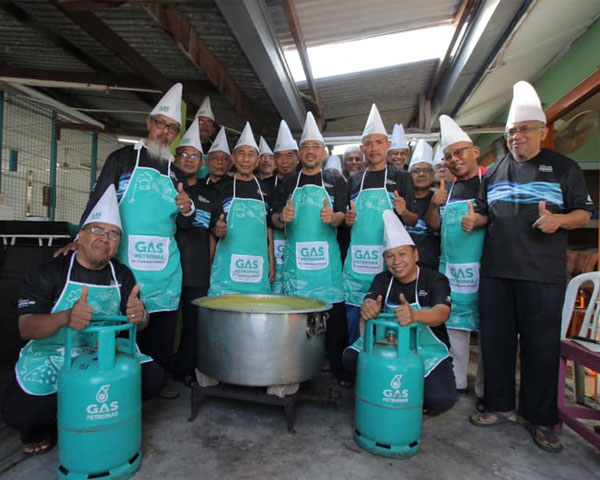
Ramadan Community Service
Learn More
0Water for Life (Air untuk Kehidupan)
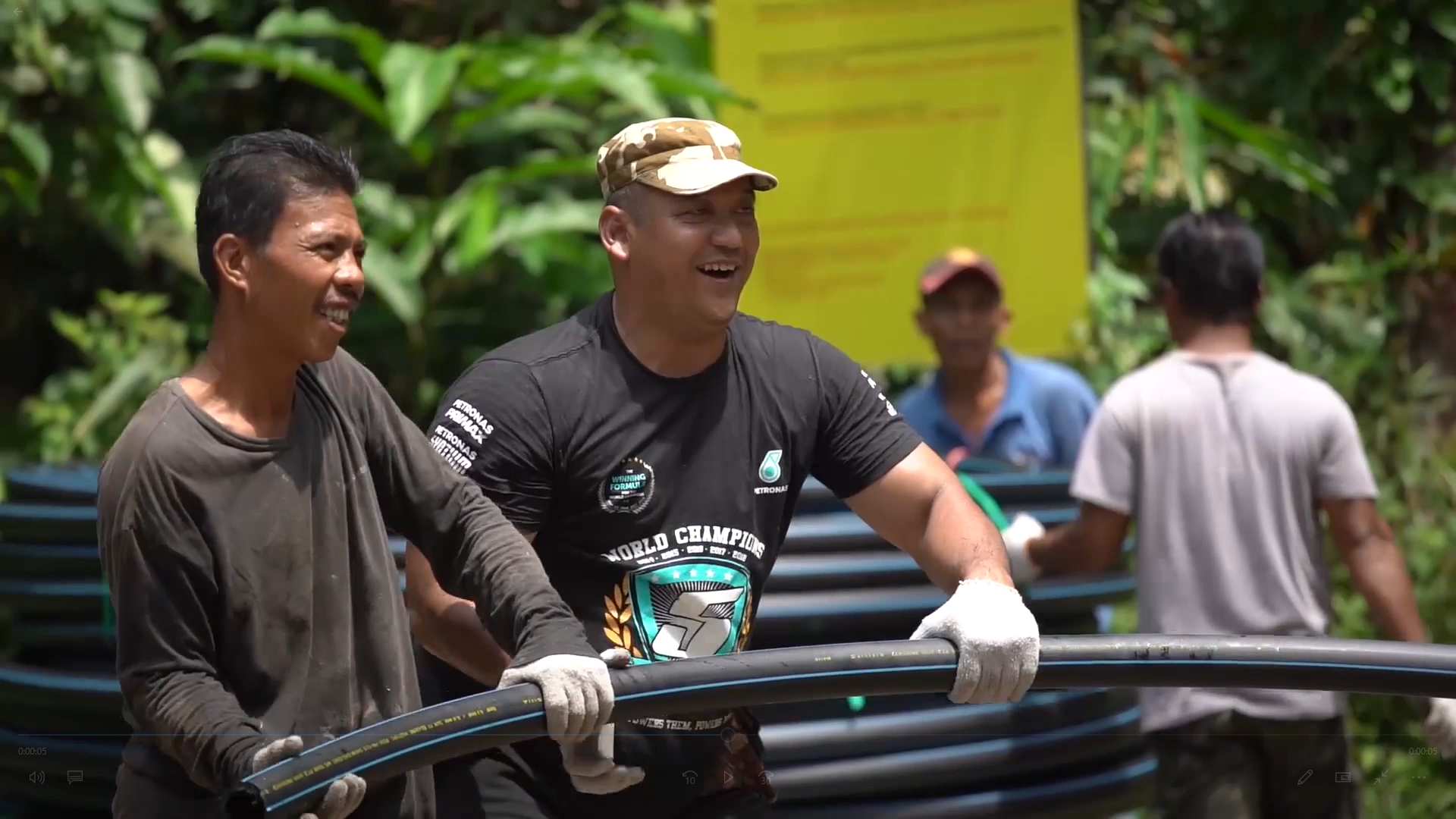
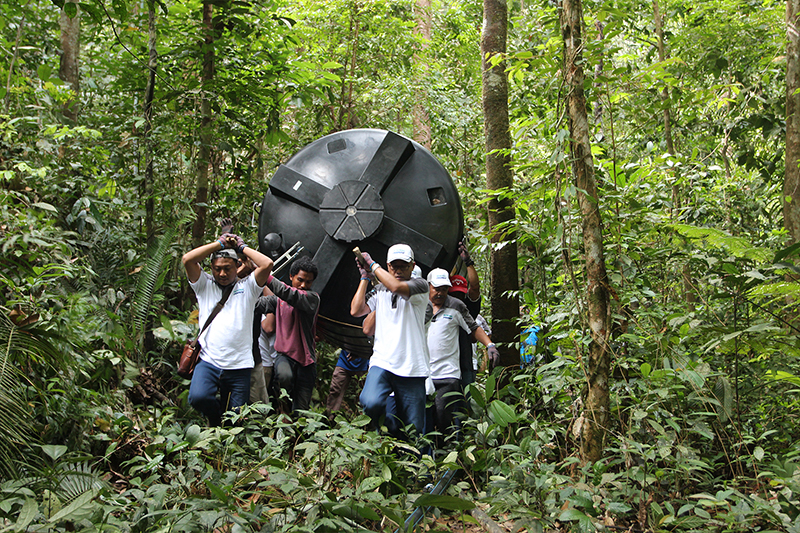
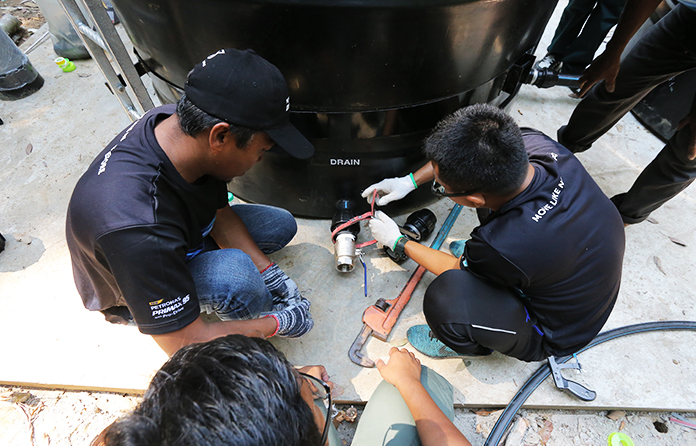
Di PETRONAS Dagangan, kami komited untuk mencipta impak positif dalam komuniti operasi kami. Dengan kerjasama Persatuan Pencinta Alam Malaysia (MNS), inisiatif Water for Life kami melangkaui sekadar menyediakan penyelesaian bekalan air bersih – ia adalah mengenai meningkatkan keadaan hidup secara keseluruhan.
Sejak tahun 2013, kami telah menjangkau 12 negeri, memberikan sokongan kepada 16 buah kampung, dan memberi impak positif kepada kehidupan 8,650 penduduk. Usaha kami merangkumi penaiktarafan sistem air, termasuk pemasangan paip, sistem penapisan canggih, tangki air, dan infrastruktur kritikal.
Melalui inisiatif ini, komuniti yang kami bantu kini menikmati akses yang andal kepada air bersih, di samping meningkatkan piawaian kebersihan mereka secara keseluruhan.
 0
0PETRONAS Coffee Break
Objektif Kempen PETRONAS Coffee Break adalah untuk mempromosikan kesedaran keselamatan jalan raya serta mengingatkan para pemandu untuk berehat, menyegarkan diri, dan memulihkan tenaga. Program ini diadakan semasa musim perayaan termasuk Tahun Baru Cina, Hari Raya, serta Pesta Kaamatan dan Gawai.
0PETRONAS StreetSmart
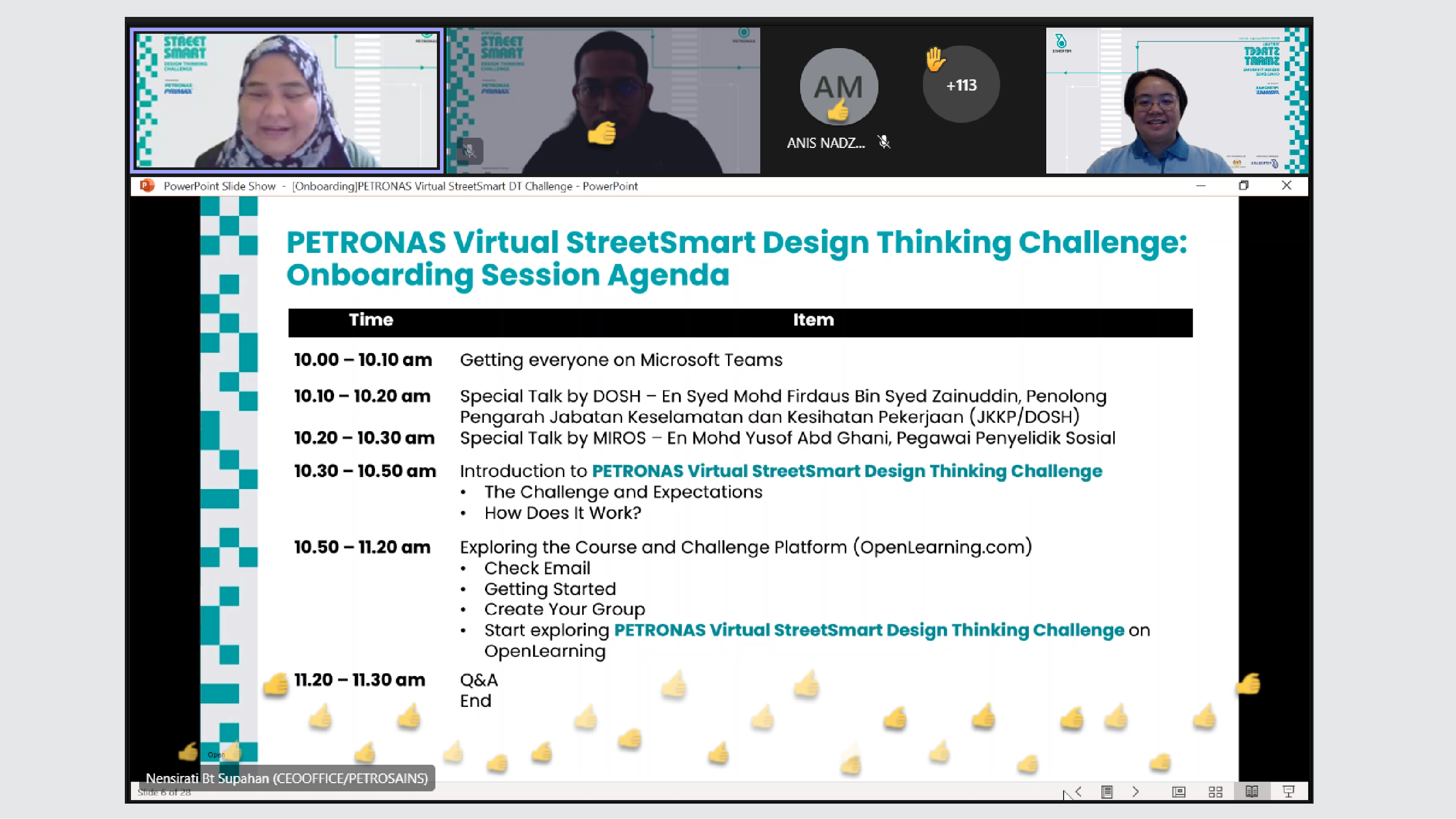
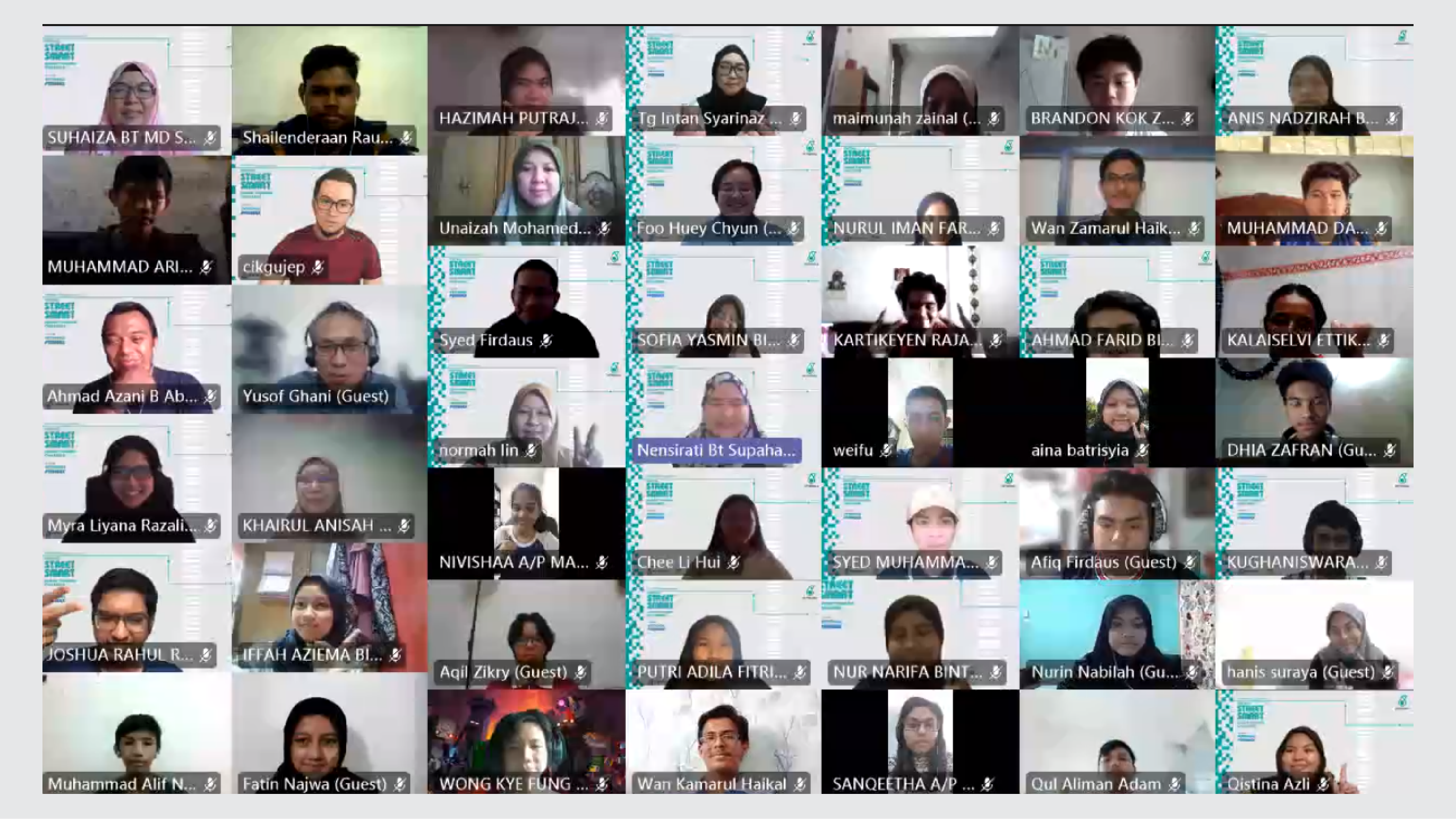
PETRONAS StreetSmart merupakan sebuah inisiatif di peringkat akar umbi yang bertujuan untuk mempromosikan kesedaran keselamatan jalan raya kepada generasi muda kita. Sejak penubuhannya pada tahun 2013, inisiatif ini telah memberi manfaat kepada lebih daripada 5,000 pelajar dari lebih 35 buah sekolah di seluruh negara. Sebelum pandemik, PETRONAS StreetSmart dijalankan sebagai program fizikal; walau bagaimanapun, selaras dengan komitmen kami untuk mengutamakan kesihatan, keselamatan dan kesejahteraan pelajar, kami telah beralih ke platform maya dan membangunkan program rintis untuk format ini.
Bagi menambah nilai kepada inisiatif ini, PETRONAS StreetSmart tahun ini akan memperkenalkan pelajar kepada Pemikiran Reka Bentuk (Design Thinking) sepanjang proses penjanaan idea, pembangunan prototaip ringkas (lean prototype) dan peringkat pembentangan (pitching), sekaligus membolehkan mereka membina Kemahiran Berfikir Aras Tinggi (KBAT).
Untuk StreetSmart tahun ini, SMK Aminuddin Baki telah diumumkan sebagai pemenang Hadiah Utama, manakala SMK Puteri Titiwangsa merangkul hadiah naib johan. Baki tiga (3) finalis yang lain iaitu SMK Serendah, Putrajaya Presint 5(1) dan SMK La Salle, Petaling Jaya, berkongsi hadiah tempat ketiga.
Cabaran Pemikiran Reka Bentuk StreetSmart Maya PETRONAS Dagangan Berhad 2021 telah diadakan dari 9 Oktober hingga 13 November 2021, melibatkan 100 pelajar dari 20 buah sekolah di Kuala Lumpur, Putrajaya dan Selangor.
 0
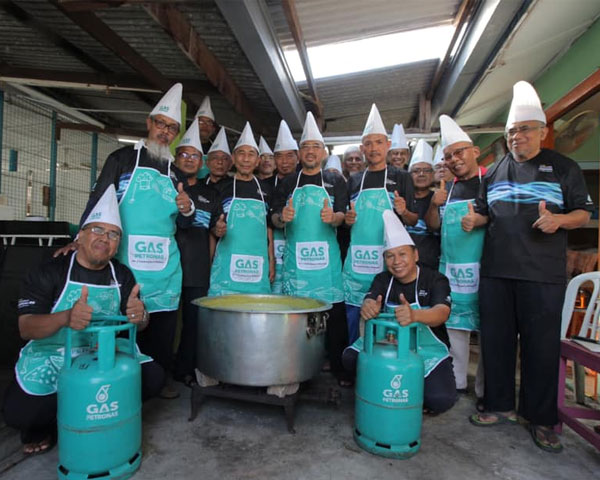
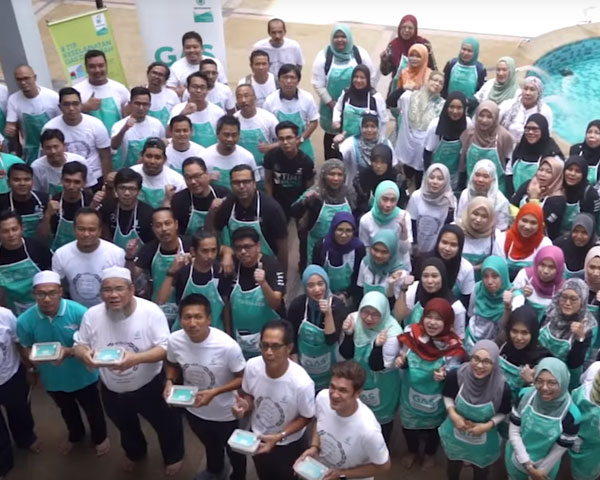
0Ramadan Community Service
Objektif Kempen PETRONAS Coffee Break adalah untuk mempromosikan kesedaran keselamatan jalan raya serta mengingatkan para pemandu untuk berehat, menyegarkan diri, dan memulihkan tenaga. Program ini diadakan semasa musim perayaan termasuk Tahun Baru Cina, Hari Raya, serta Pesta Kaamatan dan Gawai.
Tanggungjawab terhadap Pelanggan
Kami melaksanakan pelbagai usaha untuk memberikan pengalaman pelanggan yang terbaik bagi memenangi keyakinan pelanggan dan meraih kepercayaan mereka terhadap jenama kami.
Kesihatan & Keselamatan Pelanggan
- Program ‘Go-to-Safety-Point’ di Stesen PETRONAS.
- Pemeriksaan keselamatan silinder LPG percuma semasa penghantaran melalui Gas PETRONAS Home Delivery dan Gas2U.
Privasi Data Pelanggan
- Kawalan ketat terhadap maklumat pelanggan dalam pangkalan data kami dengan pembaikan keselamatan terkini.
- Proses kesiapsiagaan pelanggaran data daripada siasatan sehingga penyelesaian sekiranya privasi pelanggan terjejas.
Sokongan dan Penglibatan Pelanggan
- Promosi yang didorong oleh maklum balas pelanggan seperti Morning@Mesra.
- Komunikasi pelbagai saluran (omni-channel) untuk maklum balas termasuk panggilan, e-mel, sembang web, dan media sosial.
Membina Rantaian Bekalan yang Lestari dan Beretika
PDB komited untuk membina perniagaan yang lestari melalui rantaian bekalan yang beretika, dengan matlamat untuk meningkatkan kualiti dan kecekapan di samping memperkukuh daya tahan serta daya saing jangka panjang.
Komitmen kami diperkukuh melalui Program Sokongan Pembekal PETRONAS (PSSP), yang menyatukan penglibatan vendor untuk menerapkan amalan terbaik Alam Sekitar, Sosial dan Tadbir Urus (ESG). Dengan kerjasama United Nations Global Compact Malaysia and Brunei (UNGCMYB), Bursa Malaysia, dan institusi kewangan, kami menyokong pembekal dalam membangunkan kapasiti ESG, menambah baik pendedahan maklumat, dan mengakses pembiayaan mampan. Usaha ini selaras dengan aspirasi Pelepasan Karbon Bersih Sifar (NZCE) Malaysia 2050.
Kami juga telah menerima pakai Kod Tataetika Kontraktor PETRONAS mengenai Hak Asasi Manusia (CoCHR) sebagai sebahagian daripada penilaian rantaian bekalan kami, dengan menerapkan keperluan sosial dan pematuhan ke dalam proses perniagaan teras.
Bersama-sama, inisiatif ini menyumbang kepada:
UN SDG 8: Kerjaya Yang Baik dan Pertumbuhan Ekonomi.
SDG 12: Penggunaan dan Pengeluaran Yang Bertanggungjawab.
Melangkah ke hadapan, PDB akan terus memperluas program mentor dan memperdalam rakan kongsi pembekal untuk memenuhi piawaian alam sekitar dan sosial yang sentiasa berkembang.
Tadbir Urus dan Etika Perniagaan
Integriti membimbing cara kami beroperasi, membentuk keputusan dan tingkah laku di setiap peringkat PDB. Tadbir urus dan etika perniagaan yang teguh menjadi tunjang kepada budaya kami, memastikan akauntabiliti, ketelusan dan rasa hormat dalam semua interaksi kami.
Berpaksikan Kod Etika dan Tatakelakuan (CoBE) PETRONAS serta Polisi Kakitangan kami, garis panduan yang jelas telah disediakan untuk menangani salah laku dan ketidakpatuhan. Kakitangan dan pihak luar boleh melaporkan sebarang pelanggaran melalui saluran Pemberian Maklumat (Whistleblowing) kami, yang menyokong pelaporan tanpa nama dan diuruskan oleh kakitangan yang terlatih. Siasatan dijalankan mengikut prosedur yang tersusun dan tindakan pembetulan akan diambil mengikut keperluan.
Pelanggaran CoBE disiasat melalui prosedur yang ditetapkan, dengan hasil siasatan direkodkan secara sistematik dan digunakan untuk memperkukuh pembelajaran organisasi. Pengawasan terhadap CoBE, termasuk laporan pemberian maklumat (whistleblowing) dan hasil siasatan, dikekalkan pada peringkat Lembaga Pengarah, manakala PETRONAS menerajui penilaian berkala bagi memastikan keberkesanan yang berterusan.
Bagi menerapkan budaya beretika, latihan mandatori CoBE disediakan untuk semua pekerja. Ini kekal menjadi tonggak utama identiti korporat kami, bagi memperkukuh komitmen kolektif kami terhadap integriti dan tanggungjawab.
Inisiatif ini menyumbang kepada:
SDG 8: Kerjaya Yang Baik dan Pertumbuhan Ekonomi
SDG 16: Keamanan, Keadilan dan Pertubuhan Yang Kuat
Apakah itu CoBE PETRONAS
Ia merupakan rujukan umum untuk kegunaan di semua negara di mana PETRONAS menjalankan operasinya. Ia tidak menghuraikan semua undang-undang yang terpakai atau polisi PETRONAS, atau memberikan butiran penuh mengenai mana-mana undang-undang atau polisi tertentu.